
Running a Clean Poker Night Tournament Format at Home
Planning a casual card night with mates is easy until someone asks for a bracket, blind schedule, and a clear payout structure. A solid poker night tournament format keeps the game moving, stops arguments over chip counts, and gives everyone a fair shot at the final table. We ran a few test nights across Canberra living rooms and found the right structure makes all the difference between a sleepy arvo and a proper competitive session.
Choosing the Right Structure for Your Group
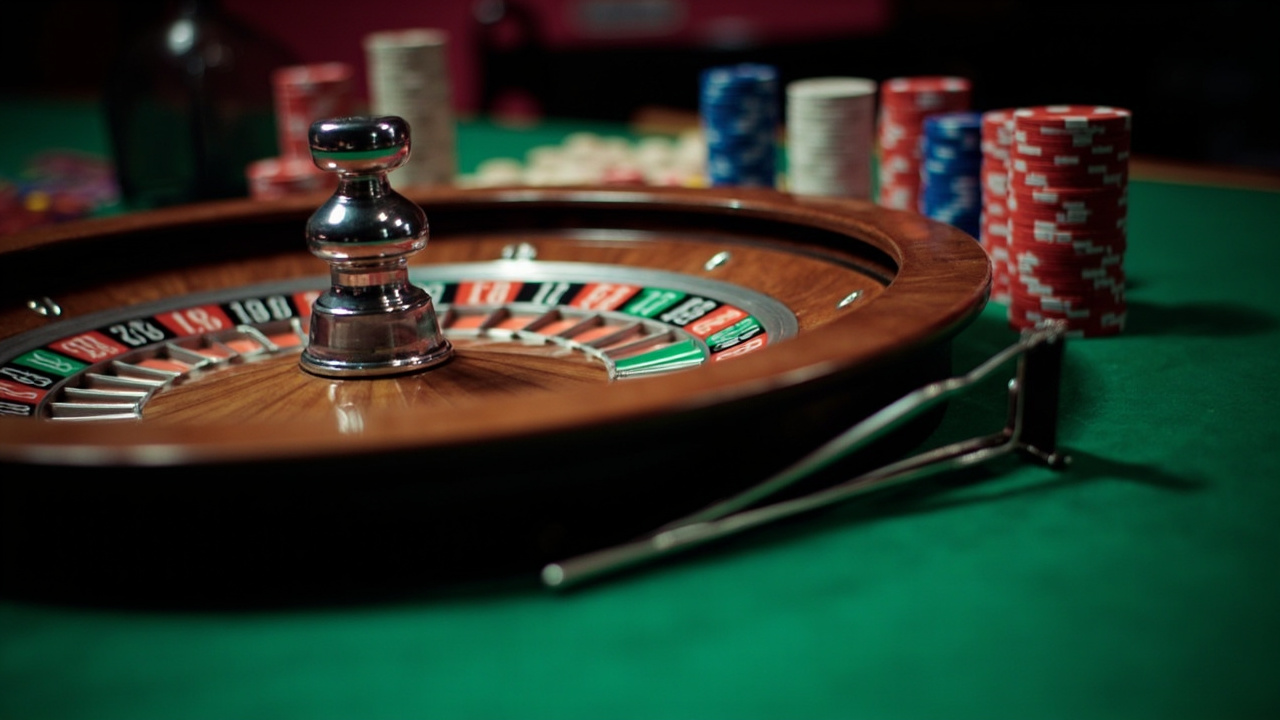
Most home games fall apart when the blinds climb too fast or the starting stacks are too thin. A balanced poker night tournament format starts with a fixed blind level that lasts long enough for players to make real decisions, usually around 20 to 25 minutes per level. Set your starting stack at 1,000 chips with blinds beginning at 10/20, then step up by 50 per cent each level until you hit a final table. That pace keeps the action readable without forcing everyone into desperate all-in plays by the third round.No Download Casino Video Poker: Игра
Keep the entry fee simple and transparent. A flat buy-in works best for casual groups, and splitting the prize pool into clear brackets avoids the usual “who won what” confusion. A straightforward payout split like 60/30/10 for first, second, and third keeps expectations honest and leaves enough in the pot to make the final table matter. If you’re playing with a larger group, consider a rebuy window of one or two levels so people who run bad early can still recover without blowing up the whole structure.
A British man once turned a small accumulator bet into a life-changing football payout, and the same kind of unexpected swing can happen at a home table when a short stack hits a lucky river. That’s exactly why a disciplined blind schedule matters more than anyone’s hot streak. You want the tournament to feel competitive, not like a coin toss wrapped in a deck of cards.
| Starting stack | First blind level | Level duration | Typical player count |
|---|---|---|---|
| 1,000 chips | 10/20 | 20 minutes | 6-10 players |
| 1,500 chips | 15/30 | 25 minutes | 10-14 players |
| 2,000 chips | 20/40 | 30 minutes | 14-18 players |
How the Night Actually Plays Out
The real test of any poker night tournament format shows up once the cards are in play and the blinds start climbing. The first hour usually feels calm, with players probing the table, stealing small pots, and trying to read who’s playing tight. By the middle stages, the stack stellarcasinologin.com sizes start separating and the table gets a lot more aggressive. That’s when a clear structure saves you from the usual mess of confused blind levels and people calling raises they shouldn’t be calling.
I’ve sat through enough Canberra nights to know the difference between a well-run table and one that drags. A proper format keeps the dealer rotating, the blind clock visible, and the chip counts honest. When someone asks for a quick reset after a messy hand, the whole table benefits from a simple chip recount and a clear ruling before the next deal. That kind of discipline is what separates a fun night from a frustrating one.
A few practical habits keep the table running smoothly:
- Use a visible timer for each blind level and stick to it, even when the action is hot.
- Count chips openly after any big pot or rebuy so nobody’s guessing stack sizes.
- Keep a written payout sheet on the table so the final table chase stays clear.lucky dreams casino australia with instant withdrawal
I reckon a lot of home games fail because the host treats the blind schedule like a suggestion instead of the backbone of the night. The blinds need to climb on time, the rebuy window needs to close on schedule, and the final table needs a clear rule for who gets eliminated when two players are short. Those details sound boring until you’re the one stuck explaining why a player with 400 chips just stole a pot they had no business stealing.
Cameron Kelly, Lead Gaming Analyst, Sunburnt Country Interactive, has pointed out that home tournament structures often overcomplicate the middle stages, and I tend to agree. He’s said that a clean blind ladder with a fixed rebuy window keeps the table readable and stops the usual late-night arguments over chip counts. That’s a fair call, because once the blinds hit 100/200, a messy structure turns the final table into a shouting match rather than a proper contest.
If you want a side game that runs alongside the main tournament without slowing the table down, you can slot in a quick video poker round during breaks, and a no download casino video poker option keeps that side play light and easy to pick up between hands. Just keep it optional and separate from the main prize pool so the tournament stays the focus.
Who This Format Actually Suits
A well-run poker night tournament format works best for groups that want structure without turning the night into a serious competition. It suits regular home games, small Canberra gatherings, and anyone who wants a clear payout without arguing over chip counts at midnight. The format also fits groups that like a steady pace rather than a frantic shootout, because the blind ladder gives everyone time to think while still keeping the table moving.
It’s less ideal for groups that want a fast-fold cash feel or a loose, unstructured night where the blinds change whenever someone feels like it. If your mates prefer a relaxed game with no timers and no prize splits, a tournament structure will probably feel too rigid. On the other hand, if you want a proper final table chase with a clear winner, this kind of format gives you that without needing a professional dealer or a fancy venue.
For players who like to keep a bit of casual play going between hands, lucky dreams casino australia with instant withdrawal is the kind of side option some people use for a quick session after the main table wraps up. Just keep the main tournament separate and treat any side play as its own thing, because the tournament format works best when the prize pool stays focused on the table.
Wrapping Up a Clean Night
A solid poker night tournament format gives your group a clear blind schedule, a fair payout split, and a final table that actually means something. Keep the structure simple, stick to the timer, and make the rules visible before the first hand is dealt. Do that and the night runs smoothly, the chip counts stay honest, and everyone leaves knowing exactly how the prize pool was split.


